Frequently Asked Questions
Welcome to our FAQ section! Here, you’ll find answers to some of the most common questions about our products and services. Whether you’re curious about the benefits of recycled plastic boxes, our sustainability practices, or why to make the change from wood, this section is designed to provide you with quick and helpful information. If you don’t find the answer you’re looking for, please feel free to reach out, we’re here to help!
Why choose plastic over wood?
When comparing the sustainability of recycled plastic to wood for core boxes, several factors come into play, including resource availability, environmental impact, durability, and end-of-life disposal. Here’s a breakdown of why recycled plastic can be more sustainable than wood:
1. Resource Utilization
Recycled Plastic: Using recycled plastic helps divert waste from landfills and reduces the need for virgin plastic production, which relies on fossil fuels. This contributes to the circular economy by reusing materials that have already been produced.
Wood: Wood is a renewable resource if harvested sustainably. However, deforestation and unsustainable logging practices can lead to habitat destruction, loss of biodiversity, and increased carbon emissions.
2. Environmental Impact
Recycled Plastic: The process of recycling plastic consumes less energy compared to producing new plastic from raw materials. Additionally, it helps mitigate the plastic waste problem and can have a lower carbon footprint than producing new plastic.
Wood: Wood production can have a high environmental cost if not managed sustainably. Even though it has a relatively low carbon footprint during processing, the overall impact depends on the source and management of the forestry practices.
3. Durability and Longevity
Recycled Plastic: Plastic boxes are generally more durable and weather-resistant than wood. They do not rot, splinter, or degrade quickly when exposed to moisture, making them ideal for long-term use in various conditions.
Wood: Wooden boxes are prone to rot, pest infestation, and weathering. They may require more frequent replacement or maintenance, leading to higher long-term environmental and financial costs.
4. Maintenance and Chemical Use
Recycled Plastic: Our plastic boxes require minimal to no maintenance and do not require any chemical treatments to preserve their condition.
Wood: To extend the lifespan of wood boxes, they often need treatments with chemicals like preservatives, stains, or paints, which can have negative environmental and health impacts.
5. End-of-Life Disposal
Recycled Plastic: If no longer needed, our plastic boxes can reused for your next core samples or potentially be recycled again into new core boxes, continuing the cycle of reuse. Properly managed, this reduces the accumulation of waste in landfills.
Wood: While wood is biodegradable, treated wood can release harmful chemicals into the soil as it breaks down. Untreated wood can be composted or used as biomass, but this is less common for treated wood products.
6. Carbon Sequestration
Recycled Plastic: Recycling plastic does not sequester carbon but reduces the need for new plastic production, thereby lowering overall carbon emissions associated with producing new materials.
Wood: Wood stores carbon during its growth, and this carbon remains sequestered until the wood decays or is burned. Sustainable forestry can help maintain this carbon sink.
7. Ergonomics and Safety
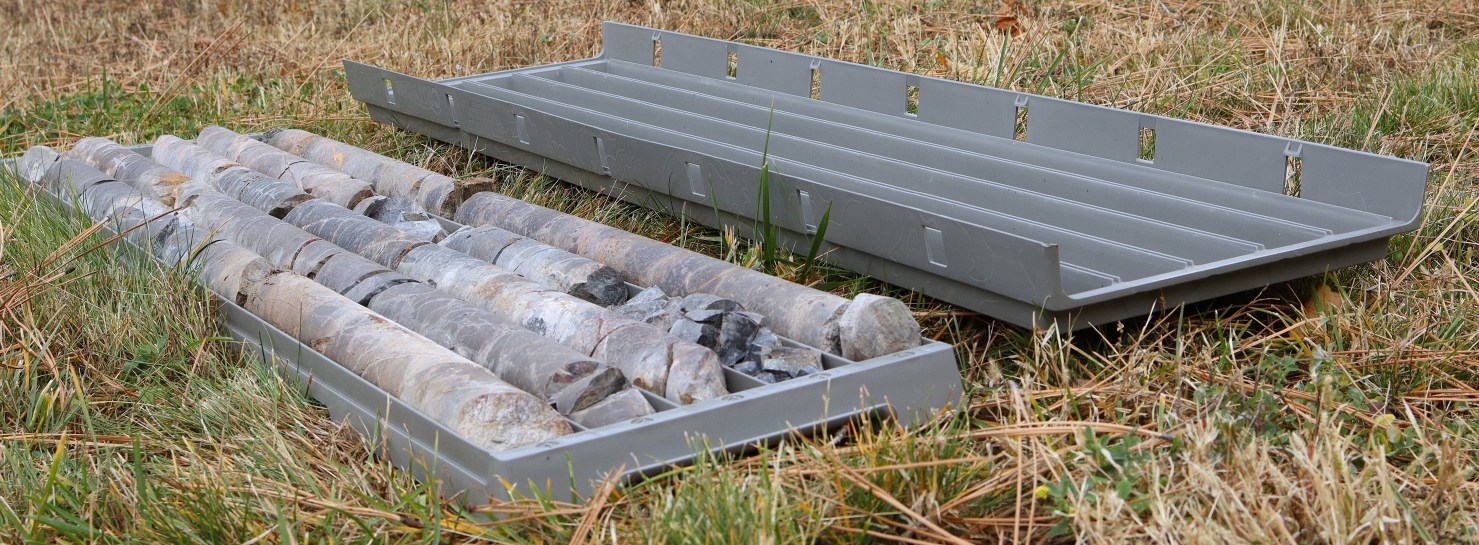
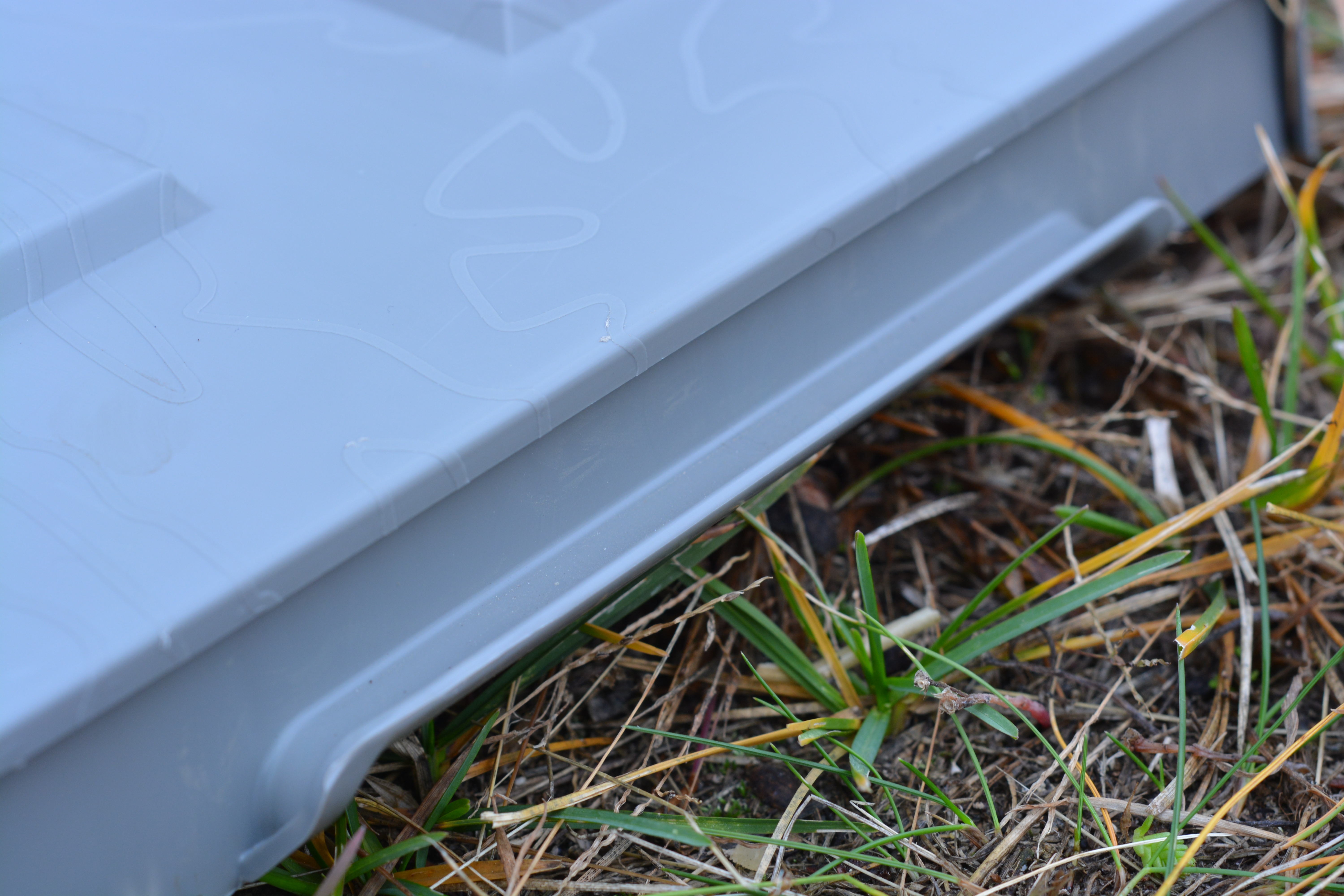
Crux Core Plastic Core Boxes: Our boxes are made from a lightweight yet strong plastic, ensuring durability without the excess weight. The design provides built in handles reducing risk of fingers getting caught while providing stability while transporting.
Conventional Wood Boxes: The traditional wood core box are typically constructed from low-grade lumber, which can splinter and cause safety hazards. Unless specified as an add-on, these boxes lack handles, making them harder to carry. These boxes are heavier even when empty, increasing the risk of physical strain and injuries (hands, arms, shoulders, back, and neck) once the drilling cores are added.
Conclusion
While both recycled plastic and wood have their respective benefits and drawbacks, recycled plastic often stands out for its durability, lower maintenance needs, and potential for continuous recycling. Sustainable practices in both industries are crucial to maximizing their environmental benefits, but in many contexts, recycled plastic offers a more durable and lower-impact alternative for box construction.
 Crux Core